 The question usually is not, “Can someone ship my car?” It is, “Can they ship this car correctly?” A restored classic with original paint, a long-wheelbase luxury SUV, a Tesla with model-specific transport instructions, and a lowered sports car can all travel on an auto carrier. But they do not necessarily need the same trailer, loading method, clearance, access, or preparation. That is the idea behind specialty vehicle transport. It is vehicle shipping planned around what makes a particular car different, not simply what it costs.
If you are arranging specialty car shipping, the most useful information you can provide is often surprisingly specific: actual dimensions, operating condition, modifications, ground clearance, unusual controls, and anything that could affect loading or securement.
The goal is not to make transportation complicated. It is to prevent the carrier from learning something important when the vehicle is already sitting at the bottom of the ramp.
What Is Specialty Vehicle Transport?
Specialty vehicle transport is auto shipping arranged around a vehicle’s specific handling, loading, equipment, or protection needs.
Those needs can come from:
- Vehicle dimensions or weight
- Low ground clearance
- Restoration condition
- Delicate or custom exterior components
- Non-running condition
- Modified suspension
- Manufacturer-specific transport instructions
- Unusual starting, steering, or braking procedures
A $200,000 vehicle may have relatively straightforward loading requirements. A much less expensive modified coupe with three inches of ground clearance may require considerably more planning. That is why specialty car transport should not be defined by price alone. Enclosed shipping is also not synonymous with specialty transport. It is one transport option that may be appropriate depending on the vehicle and the owner’s priorities. Open transport can still work for some specialty vehicles when the equipment, clearance, and exposure are suitable.The more useful question is: What does this particular vehicle need to be loaded, secured, and transported appropriately?
Which Vehicles Need Special Shipping Considerations?
These categories overlap. A vintage Ferrari might be a classic, an exotic, and a low-clearance car at the same time. A Rivian or Mercedes electric SUV may combine EV-specific manufacturer instructions with the size and weight concerns of a luxury SUV. So do not try to force the vehicle into one label. Identify all of the characteristics that could affect transport.
Luxury SUVs and Exotic Cars
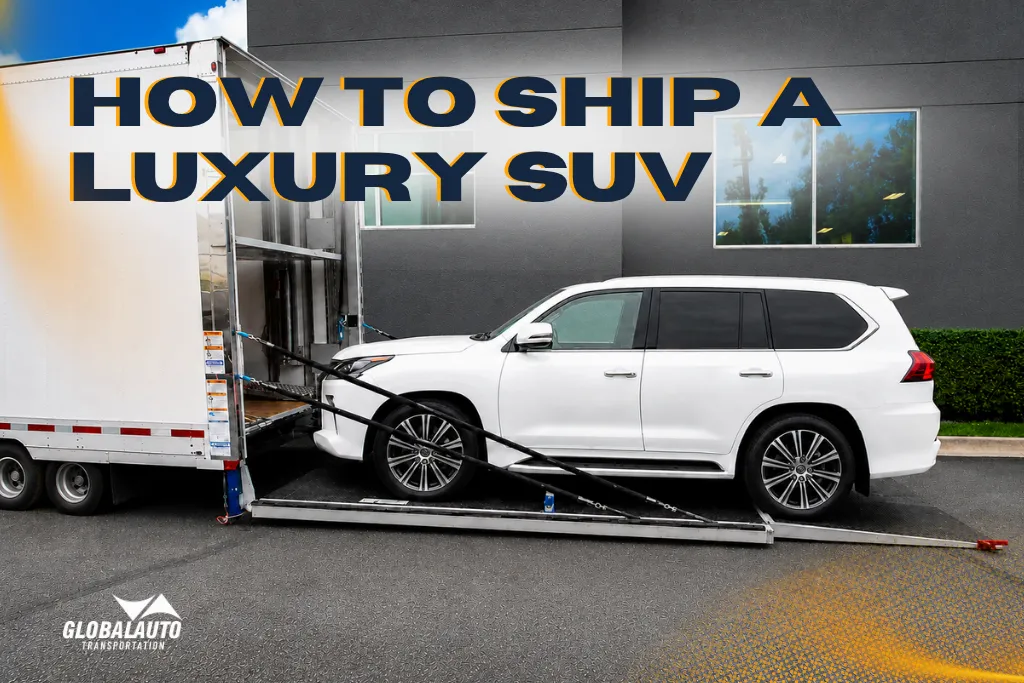
Luxury vehicles can create very different transport challenges depending on their shape. A large SUV may require extra trailer space because of its width, length, height, or curb weight. Long-wheelbase models, armored vehicles, oversized wheels, roof accessories, and modified suspension can change the loading plan even when the carrier is familiar with the standard version of the vehicle. GAT’s luxury SUV guidance specifically recommends disclosing actual dimensions and modifications rather than relying only on the make and model.
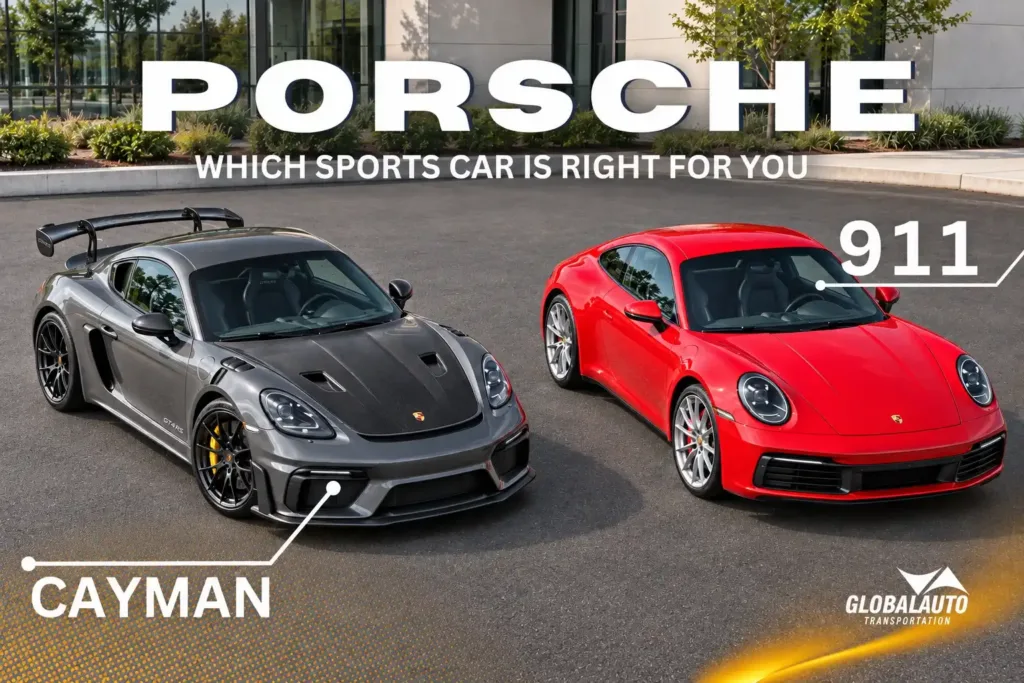
Exotic cars tend to present another set of concerns. Low front splitters, exposed carbon-fiber pieces, side skirts, custom paint, large wheels, and reduced clearance can make ramp angle and loading equipment especially important. For luxury vehicle shipping, tell the transporter about modifications before equipment is assigned. That includes adjustable air suspension, body kits, aftermarket wheels, long-wheelbase configurations, roof equipment, delicate wraps, and anything else that changes the vehicle from stock. For a deeper look at SUV-specific planning, see shipping a luxury SUV safely.
Classic and Vintage Cars
A classic car may be perfectly roadworthy. Or it may start only when someone knows exactly how to operate the choke, ignition, battery cutoff, or other controls. That difference matters. Older and restored vehicles can have original finishes, hard-to-replace trim, fragile components, unusual controls, or mechanical systems that behave very differently from a modern car. GAT’s classic-car guidance highlights original finishes and rare parts as reasons these vehicles often need more deliberate handling. For classic car transport, the owner should clearly disclose whether the car:
- Starts.
- Rolls.
- Steers.
- Brakes.
- Leaks fluids.
- Has unusual starting or operating instructions.
The transporter should know those answers before pickup. Do not assume every vintage vehicle needs the same service, either. A regularly driven 1980s sports car and a freshly restored collector vehicle with original paint may have very different protection priorities.
For more detail, see shipping classic and vintage cars.
Electric and Hybrid Vehicles
Electric cars introduce another variable: the manufacturer’s own transport instructions. Battery condition, vehicle access, electronic parking systems, towing modes, low-voltage power, and model-specific loading procedures can affect how an EV is moved. That is why electric car shipping should begin with the owner’s manual for the exact model rather than a generic rule copied from another EV. Do not assume every electric vehicle needs one universal battery percentage. Do not assume every EV requires enclosed transportation. And do not assume that because two vehicles are electric, their loading instructions are identical. The broader preparation principles are covered in GAT’s guide to preparing an electric or hybrid car for shipping.
Tesla-Specific Shipping Considerations
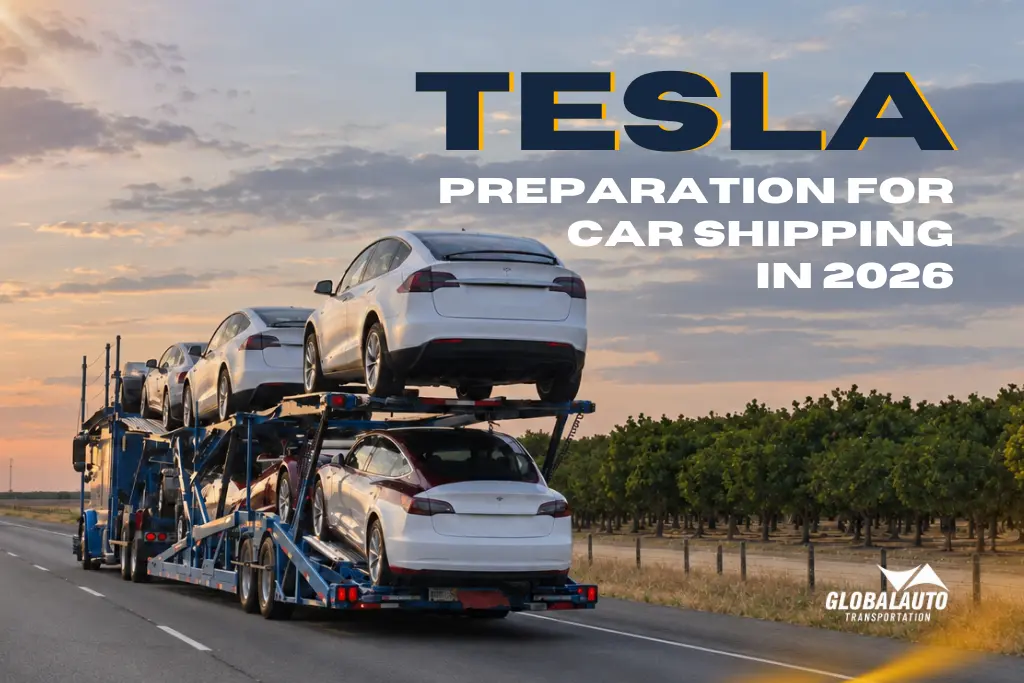
Tesla provides a good example of why model-specific instructions matter. For the current Model 3, Tesla says all four tires must remain off the ground during transport because wheel rotation can generate power and potentially cause damage or overheating. Tesla recommends a flatbed or comparable transport vehicle. Tesla’s Tow Mode is also much more limited than the name might suggest. For the Model 3, it is intended for loading or short repositioning. Tesla limits Tow Mode movement to under 5 mph and less than 30 feet. It is not a setting that should remain active throughout a cross-country shipment. Those details are specific enough that owners should share current model instructions when necessary rather than expecting the transporter to treat every EV the same way. For the complete preparation process, see preparing your Tesla for car shipping.
Cars With Low Ground Clearance
Low-clearance vehicles often turn a simple question “Will it fit?” into a geometry problem. Actual clearance matters, but so do the front and rear overhangs. A vehicle may have reasonable clearance under the center of the chassis while a long front splitter still contacts a steep ramp.
Owners should disclose:
- Measured ground clearance
- Front splitters
- Side skirts
- Diffusers
- Long front or rear overhangs
- Lowered or modified suspension
- Adjustable suspension
- Aftermarket wheels or tires
GAT’s low-clearance guide emphasizes that ramp angle and equipment selection matter during loading, while enclosed equipment can vary significantly from trailer to trailer. That last point is important. Do not assume “enclosed” automatically means hydraulic liftgate. Do not assume every open carrier uses the same ramp angle. The carrier needs the vehicle information first, then the equipment can be assessed.
See the detailed guide to shipping a car with low ground clearance.
How to Choose the Right Transport Setup
Once you know what makes the vehicle different, choosing a transport setup becomes easier. Start with the biggest decision: open or enclosed. Open transport is widely used and keeps the vehicle on purpose-built auto transport equipment, but the car remains exposed to rain, dust, insects, and ordinary road debris. Enclosed transport places the vehicle inside a covered trailer and reduces that outside exposure. For some classics, luxury vehicles, custom finishes, or rare cars, that additional protection may be worth the higher cost. But specialty transport should not become a rule that says “expensive car = enclosed trailer.” The equipment still has to fit the vehicle. Ask the provider:
- Can the carrier accommodate the vehicle’s actual dimensions, weight, condition, and clearance?
- How will the vehicle be loaded?
- Does the assigned equipment include low-angle ramps, a liftgate, winching capability, or other features the vehicle may require?
- What protection does the quoted trailer actually provide?
- What cargo coverage applies, and what are the policy limits, deductibles, exclusions, and claim procedures?
- Can the transport truck access both addresses safely?
Global Auto Transportation’s terms note that a nearby meeting point may be necessary when low branches, narrow streets, local restrictions, or other access problems prevent a large carrier from safely reaching the requested address. GAT also offers a dedicated specialty and exotic car transport service for owners comparing transport options. The important part is to compare the actual service, not just the label attached to it.
What Affects Specialty Vehicle Shipping Costs?
There is no single specialty vehicle shipping cost. The quote depends on what the shipment requires. Common factors include:
- Distance and route. A long-distance shipment usually costs more overall, while heavily traveled transport corridors may have more carrier availability than remote routes.
- Pickup and delivery locations. Rural locations or difficult-access areas can affect scheduling and carrier availability.
- Vehicle size and weight. A large SUV, armored vehicle, or oversized model can occupy more carrier capacity than a small sports car.
- Trailer choice. Open, enclosed, hard-sided, soft-sided, flatbed, and other arrangements can have different availability and operating costs.
- Vehicle condition. An inoperable vehicle may require winching or other loading equipment.
- Ground clearance and modifications. Lowered suspension, splitters, unusual bodywork, oversized wheels, or other changes can affect equipment selection.
- Scheduling flexibility. A broad pickup window generally gives dispatch more options than a highly restricted or expedited schedule.
That means comparing two quotes makes sense only when they cover comparable service. A cheaper quote using standard open equipment is not the same product as an enclosed shipment requiring specialized loading. For a useful quote, provide: Pickup and delivery ZIP codes, year, make, model, trim where relevant, operating condition, modifications, dimensions or photos when needed, preferred transport type, and pickup window. The more unusual the vehicle, the less useful “It’s a Porsche” becomes as the entire description.
How to Prepare Your Vehicle for Pickup
Specialty vehicles need different handling, but owners can still follow one general preparation routine.
Before pickup:
- Clean the vehicle enough for a clear condition inspection.
- Take dated photographs of the exterior, wheels, glass, and vulnerable parts.
- Document existing scratches, chips, dents, or other visible damage.
- Remove valuables, loose belongings, and removable accessories.
- Secure or disclose fragile exterior components.
- Provide working keys.
- Explain unusual ignition, alarm, suspension, parking brake, or access procedures.
- Follow manufacturer guidance for fuel or battery condition where applicable.
- Disclose leaks, mechanical problems, modifications, or loading restrictions.
- Confirm that the pickup area can accommodate the carrier.
- Confirm who will be present for the handoff.
At pickup, review the vehicle condition report before the car is loaded. At delivery, inspect the vehicle before signing the final paperwork and compare its condition with the pickup record and photographs. That condition documentation matters with every shipment, but it becomes especially valuable when a vehicle has custom paint, expensive wheels, rare trim, a wrap, or other components that may not be obvious from a standard VIN description.
Good specialty vehicle transport starts with accurate information. Not assumptions. Not the badge. And not simply the vehicle’s price. A classic car may need attention because of fragile original components. A luxury SUV may create weight or dimension concerns. An EV may have manufacturer-specific transport instructions. A lowered sports car may require equipment that can accommodate its actual ramp clearance. Describe those needs before booking. Then compare trailer type, loading equipment, protection, coverage terms, pickup access, and carrier capability around the vehicle that will actually be transported.