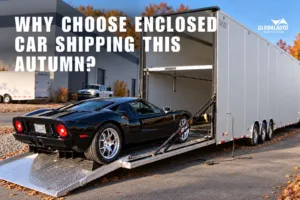
 Autumn can be a great time to ship a vehicle, especially when you choose the transport option that best matches your car and route. Seasonal conditions may vary along the way, from mild weather to rain, wind, or falling leaves, so planning ahead can help make the shipment feel more straightforward. For vehicles that deserve extra care, enclosed car shipping provides added protection by keeping the car inside a covered trailer during transit.
This can be especially appealing for classic, luxury, exotic, collector, and other high-value vehicles. Open transport can still be a practical and budget-friendly option for many everyday vehicles. The best choice depends on your vehicle, route, forecast, distance, and budget, allowing you to select the level of protection that fits your shipment best.
What Makes Autumn Car Shipping Different?
Autumn weather can vary significantly across the United States. The National Weather Service’s fall-safety resources cover hazards that can occur during the season, including flooding, fog, strong wind, wildfire conditions, and early winter weather. NWS also advises travelers to check current forecasts and alerts before heading out. For car shipping in autumn, that means the route matters more than the word “fall.” A vehicle moving within Southern California may encounter very different conditions from one traveling from the Northeast to Colorado or across the northern Plains.
Possible seasonal factors include:
- Rain and wet roads
- Strong crosswinds
- Leaves, branches, or other wind-blown debris
- Colder temperatures at higher elevations or farther north
- Early-season snow or ice on some routes
High winds can also create blowing or falling objects on roadways, according to NWS guidance. None of this makes open transport automatically unsuitable. It simply means owners should consider the actual route and weather forecast when deciding how much outside exposure they are comfortable with.
How Enclosed Auto Transport Protects Vehicles During Autumn
The main advantage of enclosed auto transport is straightforward: the vehicle travels inside a covered trailer instead of on an open carrier. The enclosed trailer can reduce exposure to weather, dirt, and road debris during transit. That difference can matter more during an autumn route where the carrier may encounter rain, wind-blown leaves, road spray, or debris. With covered car transport, the vehicle is not directly exposed to the outside environment in the same way it would be on an open trailer. That does not mean enclosed shipping guarantees a damage-free shipment. Transport still involves loading, unloading, road movement, and other normal logistics. The benefit is specifically the reduction in direct exposure to external conditions.
For a vehicle with expensive paint, delicate exterior details, or strong collector value, that reduced exposure may justify the added cost.
Which Vehicles May Benefit Most from Enclosed Shipping?
Not every vehicle needs enclosed transport. The service makes the strongest case when the vehicle itself gives you a reason to reduce outside exposure.
Examples can include:
- Classic and collector cars. When shipping a classic car, original paint, restored bodywork, rare trim, or collector condition may make additional protection more valuable.
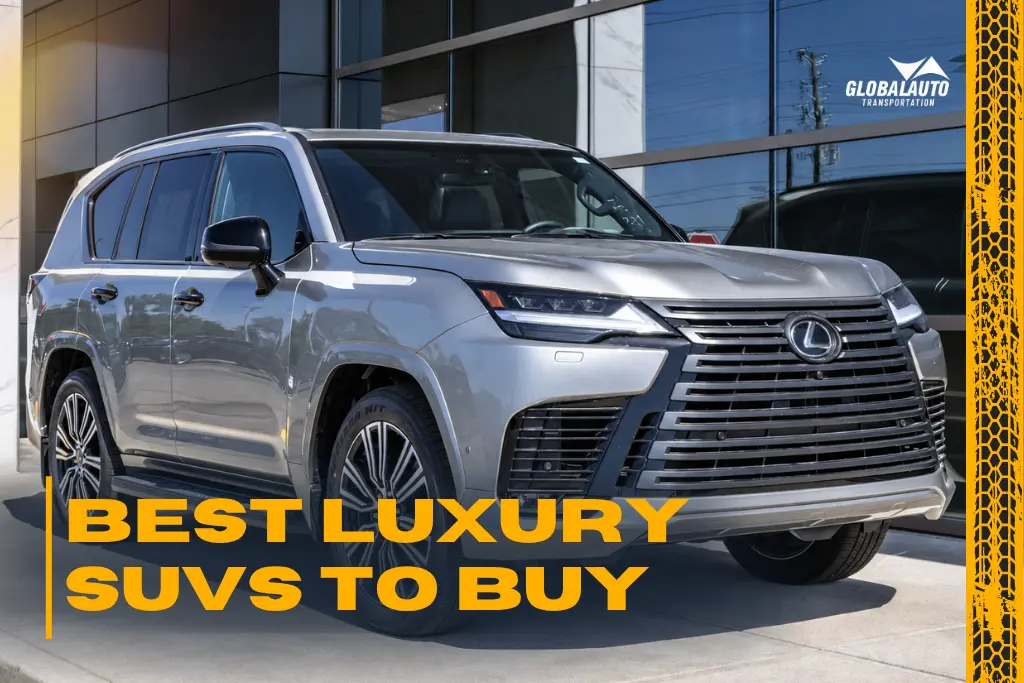
- Luxury vehicles. Owners of high-end sedans and SUVs may prefer enclosed transport when preserving exterior condition is more important than minimizing shipping cost.
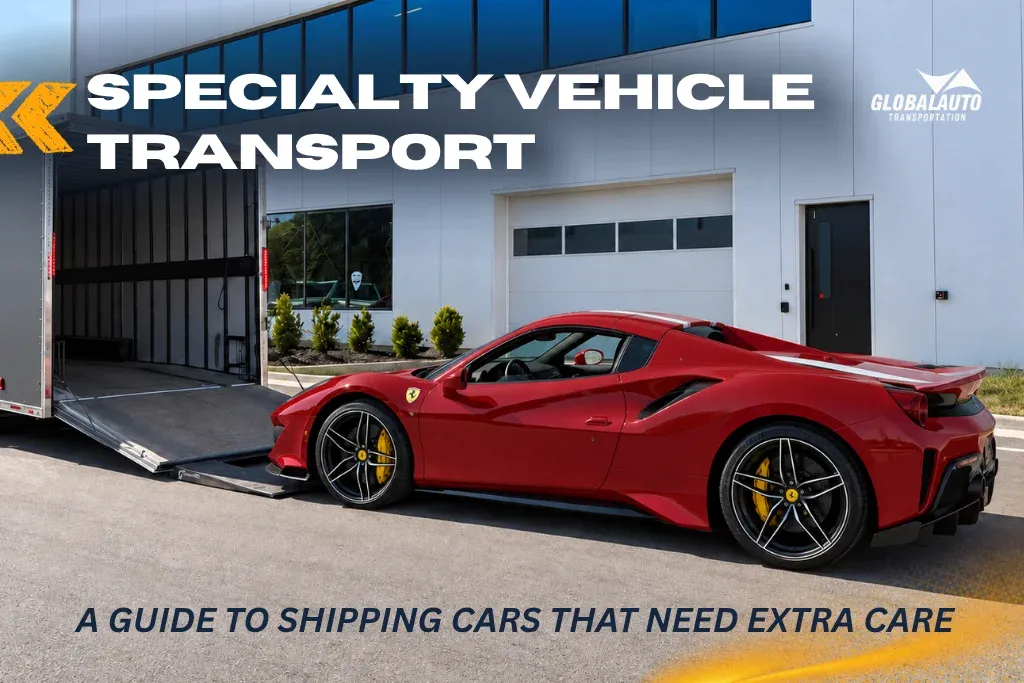
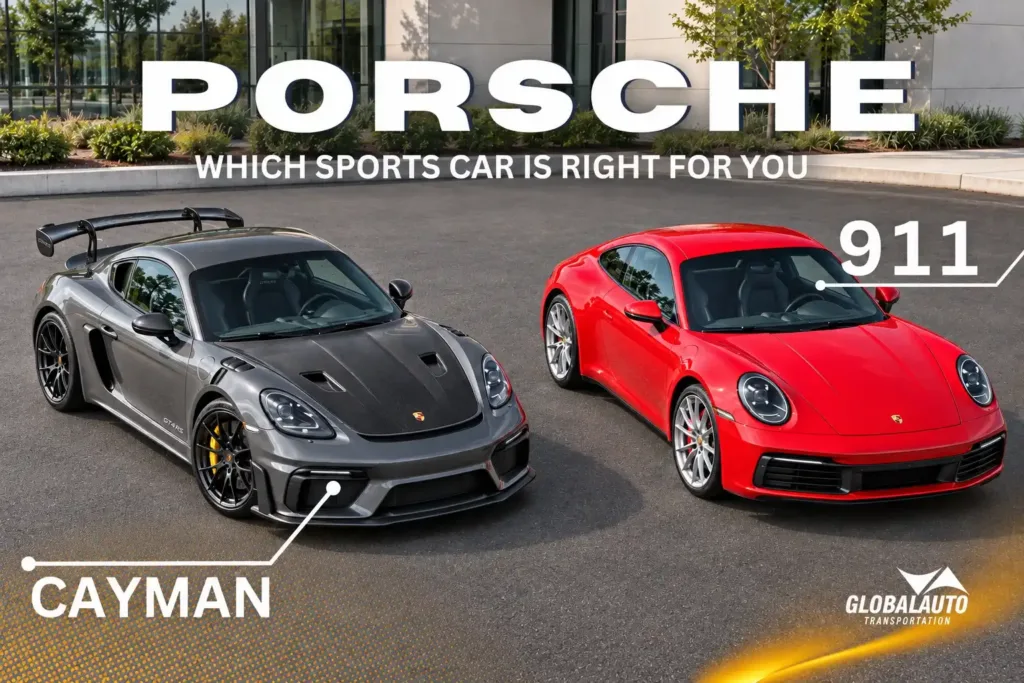
- Exotic and performance cars. These vehicles often have expensive finishes, specialized bodywork, or low ground clearance. Some enclosed carriers also use equipment such as liftgates or low-angle loading systems that may suit certain specialty vehicles better.
- Show or custom vehicles. Custom paint, wraps, exposed carbon fiber, aftermarket bodywork, or rare finishes can make road grime and debris more of a concern.
The decision should still be vehicle-specific. An expensive SUV does not automatically require enclosed shipping, and an older car is not automatically a good candidate for open transport. Consider the vehicle’s condition, value, clearance, finish, route, and your tolerance for outside exposure.
Open vs. Enclosed Car Shipping in Autumn: Which Should You Choose?
The difference between open vs. enclosed car shipping in autumn comes down mainly to exposure and cost.
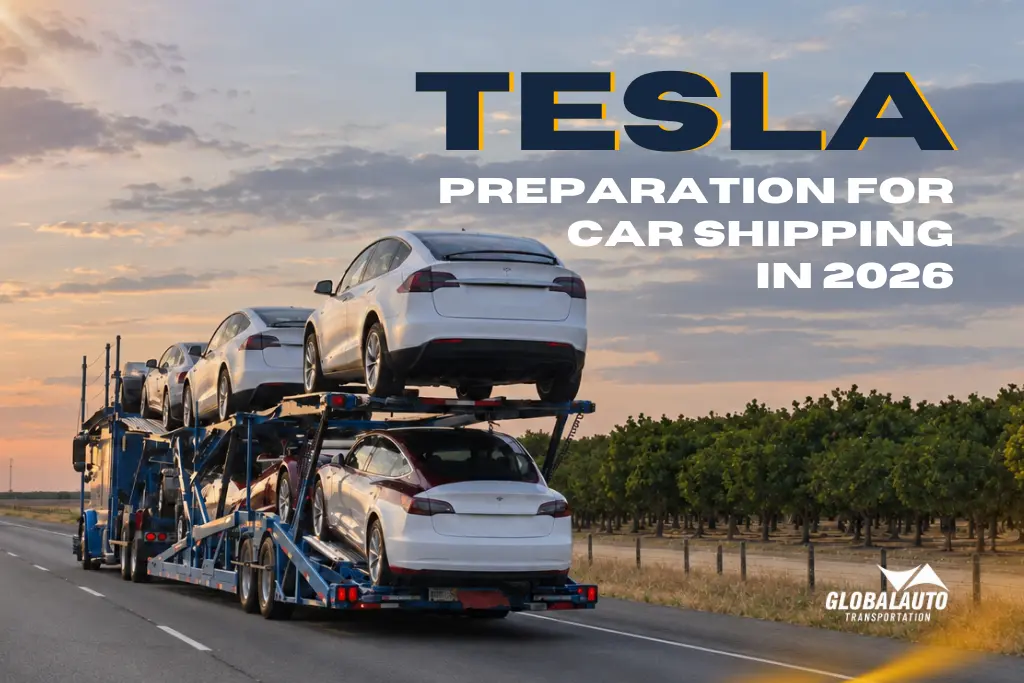
- Open car transport carries vehicles on an open trailer. It is widely used and generally more affordable, but the car remains exposed to rain, dust, road spray, and normal road conditions.
- Enclosed transport places the vehicle inside a covered trailer, reducing direct exposure to weather and road debris. It generally costs more because the service is more specialized and enclosed carriers typically transport fewer vehicles.
So which one makes more sense? Choose based on the shipment rather than the season alone.
Open transport may work well when:
- You are shipping a standard daily driver
- Keeping costs lower is a priority
- The route and forecast do not create unusual concerns
- Minor exposure to normal road conditions is acceptable
Enclosed transport may make more sense when:
- The vehicle is classic, exotic, collectible, or high-value
- The exterior finish deserves extra protection
- You want to reduce exposure to rain, debris, or road spray
- The route or forecast gives you a specific reason to prefer additional coverage
Neither option is universally right. Autumn simply gives you one more factor to consider.
How Can Autumn Affect Enclosed Car Shipping Costs?
Enclosed car transport cost is usually higher than open transport, but autumn itself does not automatically mean a higher quote. Pricing can depend on several factors. Global Auto Transportation identifies distance, route demand, vehicle size and condition, transport type, pickup timing, season, carrier availability, and pickup or delivery access as factors that can affect a vehicle-shipping quote. For enclosed transport, availability can matter even more because there are generally fewer enclosed carrier spaces than open-carrier spaces.
A longer route, larger vehicle, remote pickup point, or narrow pickup window may therefore influence the quote more than the fact that the shipment happens in October. Seasonal demand can also differ by route. Instead of relying on a general fall price estimate, request a quote for the exact vehicle, route, pickup window, and transport type you need. That will be more useful than assuming autumn is automatically cheaper or more expensive.
How to Prepare for Autumn Vehicle Shipping
Even when you choose enclosed car transport, preparation still matters. Start by removing personal belongings and loose items from the vehicle. Clean the exterior enough that existing scratches, chips, dents, or other marks are easy to see. Then take dated photos from several angles before pickup. Global Auto Transportation recommends documenting vehicle condition as part of normal shipping preparation.
Also confirm:
- The pickup and delivery addresses
- Whether a large carrier can safely access both locations
- Who will be available at pickup and delivery
- The vehicle’s operating condition
- Any low-clearance or loading concerns
- The expected weather along the route
If access is limited by narrow streets, low branches, restricted areas, or tight turns, the carrier may need to meet you at a nearby location that is safer for loading or unloading. Finally, review the vehicle again at delivery. Choosing enclosed transport reduces outside exposure, but it does not replace proper preparation, inspection, or documentation.
Enclosed car shipping can be a strong option for autumn when the vehicle needs added protection from outside conditions. A covered trailer can reduce direct exposure to rain, wind-blown debris, road spray, and other environmental factors that may appear along a fall route. That can make enclosed transport especially appealing for classic, luxury, exotic, collector, or custom vehicles. But it is not necessary for every shipment. Open transport remains a practical and more budget-friendly choice for many standard vehicles, even during autumn.
The better decision comes from comparing the vehicle, route, forecast, distance, and budget together. If protecting the exterior from outside exposure matters more than minimizing cost, enclosed transport may be worth the premium. If the vehicle is a standard daily driver and your priority is value, open transport may still make more sense.