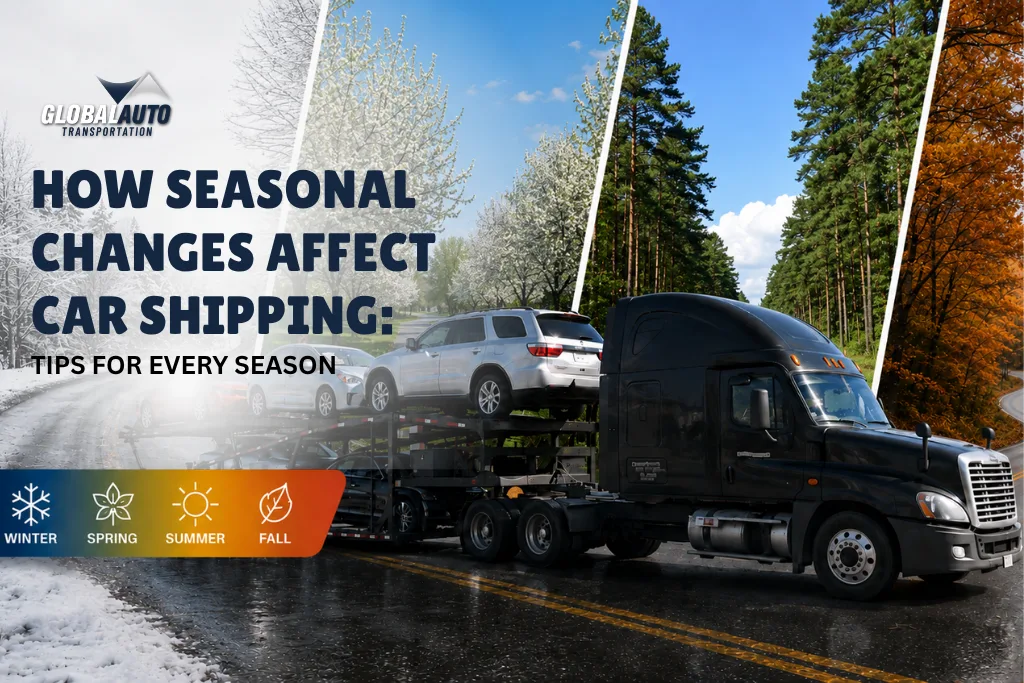
 Anyone who hauls cars knows this: the road plays by its own rules. Flat tires happen at bad times, weather changes its mind, and traffic never misses a chance to show up late. The good news is that preparation changes everything. Emergency preparedness isn’t about expecting trouble; it’s about being ready so when trouble shows up, you handle it like a pro instead of losing your cool.
America’s Most Dangerous Highways for Truck Drivers: Routes to Watch and How to Stay Safe
America’s highway system stretches for thousands of miles, but not every mile is created equal, especially for truck drivers. Certain routes are notorious for danger due to steep grades, sharp curves, heavy traffic, long distances between services and challenging weather conditions. For example, Highway 550 in Colorado, nicknamed the Million Dollar Highway, is considered extremely perilous, particularly in winter, because of its high elevation, narrow lanes and lack of guardrails. The I‑15 stretch through Southern California, Nevada and Arizona cuts across desert terrain where speeding and heat contribute to numerous fatalities each year. Remote routes like Alaska’s Dalton Highway test drivers with long stretches without services or cell coverage. Urban interstates such as I‑285 around Atlanta see massive traffic volumes and frequent merging conflicts, and Interstate 95 in Connecticut ranks high in accidents due to congestion and constant traffic. Other challenging roads include Montana’s Highway 2, with limited emergency access, and California’s Route 138, a winding two‑lane road once nicknamed Blood Alley due to its high fatality rate. These highways remind truckers why preparation and vigilance are essential on the road.
Why Emergency Preparedness Matters in Trucking
Roadside emergencies are basically part of the job description. Blowouts, breakdowns, fender benders, sudden storms, you name it: someone’s dealt with it. For auto transport drivers, the pressure is higher because you are not just responsible for yourself but for several vehicles riding behind you like very expensive passengers. Being prepared keeps you safer, keeps traffic moving, and helps prevent small problems from turning into big, costly ones. It also keeps you on the right side of DOT and FMCSA regulations, which, let’s be honest, no one wants to learn about the hard way. Prepared drivers protect their cargo, their driving record and their sanity.
Pre-Trip Preparations Every Auto Transport Driver Should Do
Think of your pre-trip routine as your first chance to avoid a bad day. Checking brakes, tires, lights, fluids and steering isn’t busywork; it’s how you catch problems before they decide to show up at 65 mph. For auto haulers, cargo checks deserve extra attention. Loose chains or worn straps don’t just risk damage; they can affect balance and handling in ways that get dangerous quickly. A solid emergency roadside kit is just as important. If your kit fits in the glove box, it’s not an emergency kit; it’s optimism. Every driver should carry proper truck driver equipment like reflective triangles or flares so other drivers actually see you when you are stopped on the shoulder. Add a flashlight, gloves, basic tools and spare parts for small fixes. And don’t forget about you. Water, snacks, blankets, phone chargers and a first-aid kit can transform a long wait for help from miserable to manageable. A well-stocked autohauler supply kit keeps you comfortable, alert and ready for whatever comes next.
Route Planning and Weather Awareness
Route planning isn’t just about getting there faster; it’s about getting there smarter. GPS tools and trucking apps help you avoid construction zones, traffic bottlenecks and roads that clearly weren’t designed with big trucks in mind.
Weather deserves just as much respect. Winter ice, summer heat, fog and storms all change how your truck handles and how much stopping distance you need. Checking forecasts ahead of time provides you with the chance to slow down, reroute or stop without feeling rushed or pressured into pushing through unsafe conditions.
What to Do During a Roadside Emergency
When something goes wrong, visibility becomes your top priority. Signal early, pull over as far from traffic as possible and turn on your hazard lights immediately. The faster other drivers know you are there, the safer everyone is.
Immediately after stopping, place your warning devices correctly to alert approaching traffic. This isn’t just about following rules; it’s about giving other drivers enough time to react without slamming on the brakes or swerving at the last second. Accidents raise the stress level quickly, but staying calm makes a huge difference. Secure the scene, make yourself visible and focus on safety first. Reflective triangles should be placed well behind the truck, usually 50 to 75 feet, to give traffic plenty of warning. If you interact with others involved, stay professional and cautious, and let emergency responders take over when they arrive. If you need to exit the cab, do it deliberately. Check traffic carefully, identify a safe path and stay alert. Passing vehicles don’t always move over like they should, so keep your head on a swivel and stay clear of blind spots.
Emergency Scenarios Specific to Auto Transport Drivers
Auto transport trucks work hard, and sometimes they push back. Tire blowouts, brake issues and hydraulic problems are common troublemakers. When they happen, secure the vehicle and contact dispatch or roadside assistance as soon as possible. The clearer you are about what’s wrong, the faster help can reach you and the sooner you are back on the road. Weather-related emergencies are just as challenging. Fog kills visibility, snow and ice ruin traction, and storms turn routine drives into white-knuckle experiences. Sometimes the smartest move is slowing way down or not moving at all. Knowing how weather affects braking, handling and load stability helps you make safe calls instead of risky ones. Security issues are rare, but they do happen. If something feels off, trust your instincts. Stay in your vehicle when possible, follow company safety protocols and contact dispatch or law enforcement if needed. Helping others is admirable, but your safety always comes first.
Legal and Regulatory Responsibilities After an Incident
After an incident, paperwork matters almost as much as what happened on the road. Drivers need to notify authorities and their employer promptly and document everything clearly. Photos, notes and accurate logs can save a lot of headaches later. FMCSA and DOT regulations also spell out exactly how hazard lights and warning devices must be used. Following these rules isn’t optional; it’s how you stay compliant and help prevent secondary accidents. Some incidents also trigger mandatory alcohol and drug testing, so knowing these requirements ahead of time makes an already stressful situation easier to navigate.
Communication During Roadside Emergencies
When requesting assistance, specifics are important. Tell roadside assistance or dispatch where you are, what’s wrong and what you are transporting. Faster and more efficient support is the result of clear and correct information. If emergency services are called, calmly and clearly describe the situation. Responders may arrive prepared and everyone is kept safer with the use of accurate location facts, vehicle information and danger description.
Post-Emergency Steps and Follow-Up
Before getting back on the road, take a careful look at your truck and trailer. Check tires, brakes, lights and load security. If something doesn’t look right, don’t ignore it. Getting home safely always beats getting there quickly. Every emergency is also a learning opportunity. Document what happened and think about what could be done better next time. Small adjustments add up, leading to safer, smoother trips down the road.
Build a Culture of Preparedness
The road will always throw curveballs; however, being prepared means you don’t have to swing blindfolded. With the right truck driver equipment, smart habits and a safety-first mindset, auto transport drivers can handle emergencies without losing control. Preparedness isn’t about fear; it’s about confidence. Knowing that when the unexpected happens, you are ready to handle it and keep moving forward, one mile at a time.