
Step-by-Step Car Shipping Guide
Moving to a new state, buying a car online or getting ready for a seasonal move often means looking for the best way to ship cars to another state.
Instead of driving hundreds or even thousands of miles, many people choose professional auto transport services to save time, reduce stress, and avoid unnecessary wear on their vehicles during long-distance drives.
Car shipping companies specialize in moving cars to another state, using licensed carriers and secure transport methods designed for long-distance car transport.

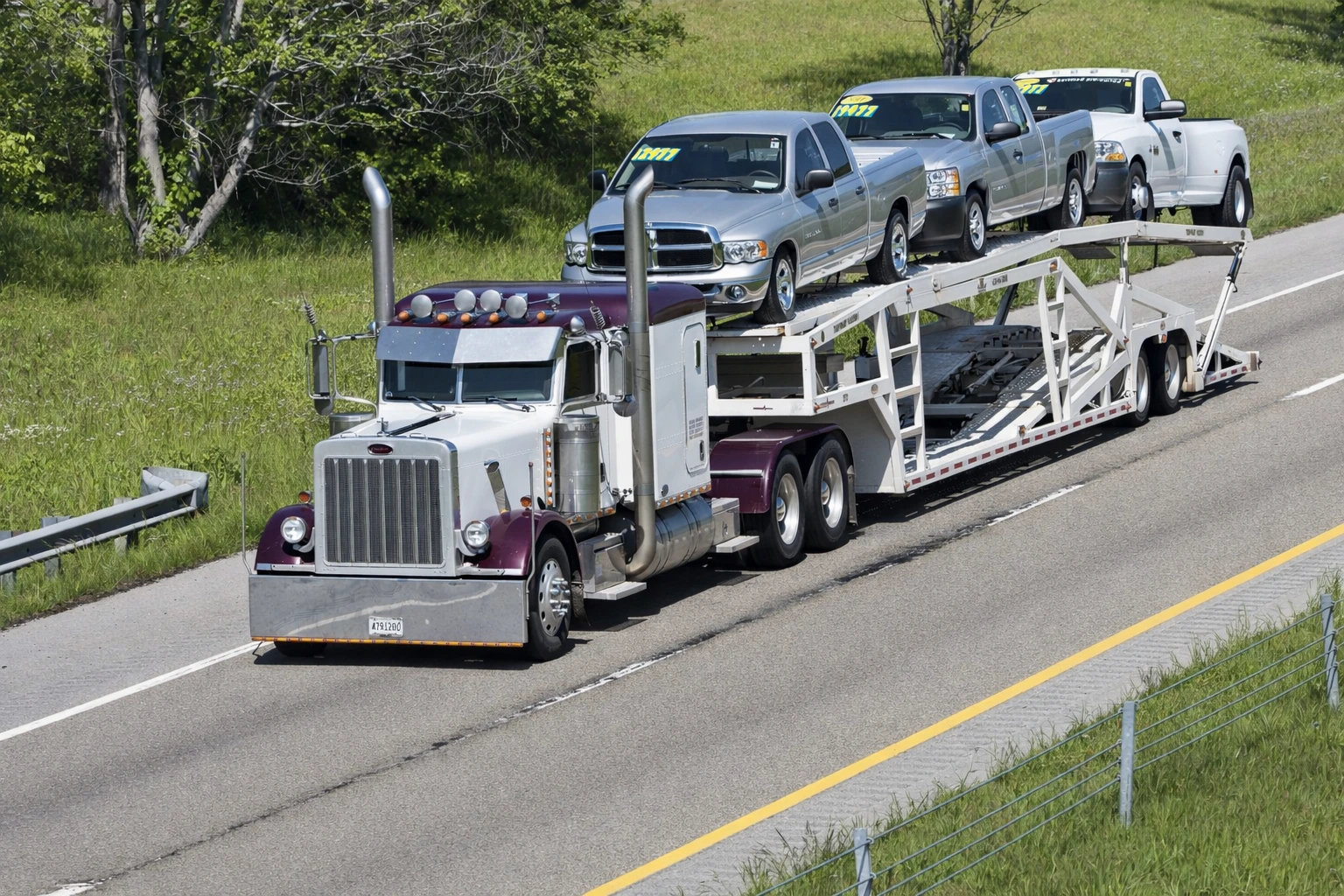
How Does Shipping a Car to Another State Work?
Shipping a car across the US can feel complicated, but it doesn’t have to be. Whether you’re moving your personal vehicle or transporting multiple commercial vehicles, professional interstate auto shipping companies handle the logistics from start to finish.
Shipping for Individuals
A professional auto transport company can guide you through requesting quotes, choosing the best shipping method, scheduling pickup and completing vehicle inspections, making the process smooth and stress-free.
Commercial Vehicle Transport
Businesses rely on car shipping services to move fleet vehicles, dealership inventory, rental cars and company vehicles between branches. With our reliable, efficient and insured shipping services, companies can focus on operations while we handle vehicle logistics.
Why Choose a Professional Car Transport Service
Moving a car from one state to another can be stressful and time-consuming if attempted alone. From coordinating logistics to ensuring your vehicle arrives safely, even simple mistakes can be costly.
Licensed and experienced carriers handle every step of the process, including vehicle pickup, secure loading, transportation, and final delivery. They also provide comprehensive insurance coverage, giving you peace of mind in case of unexpected incidents. For individuals, this means your personal vehicle arrives safely without added mileage, wear or risk. For businesses, professional transport services streamline fleet or inventory moves, saving time and reducing operational headaches. That’s why choosing a professional state-to-state auto transport service is essential. Learn more about GAT solutions for shipping vehicles across the US quickly and securely.


Types of State-to-State Car Shipping Services
Global Auto Transportation offers flexible, state-to-state vehicle transport services for all needs and budgets.
- Door-to-door transport means your car is picked up and delivered directly, reducing extra travel and handling.
- Open transport moves vehicles on open trailers in a cost-effective way, keeping them safe and secure—ideal for standard cars and SUVs.
- Enclosed transport carries vehicles inside fully enclosed trailers, protecting luxury, classic, or high-value cars from weather and debris.
- Expedited transport provides priority shipping for urgent moves, ensuring fast and reliable delivery.
- Commercial services include auction auto transport, fleet and dealer transport, oversize vehicle shipping, and military equipment shipping, all handled safely, efficiently, and on time.
How To Prepare Your Car for Shipping
Proper preparation is key to ensuring your vehicle arrives safely and on time when shipping a car to another state.
Choose Your Car Carrier
Research multiple car shipping companies and compare quotes carefully, focusing not just on price but also on insurance, experience with your type of vehicle, and customer reviews. Consider practical factors like pickup and delivery options and estimated transit time to ensure a smooth, reliable shipping experience.
Choose the Transport Type
When choosing how to transport your vehicle, consider more than price and timing. Factor in your car’s size and condition, protection needs, especially for luxury or classic cars, and practical aspects like pickup and delivery convenience, route, scheduling flexibility, and insurance coverage.
Clean Your Car Inside and Out
Wash and vacuum your vehicle thoroughly before transport. A clean car allows the carrier to inspect and document its condition accurately. Dirt, debris, or grime can hide scratches, dents, or preexisting damage, which may complicate claims if any issues arise.
Remove Personal Items and Loose Accessories
Before shipping your car, ensure that you remove all personal belongings and loose items, including garage door openers, floor mats, seat covers, electronics, phone chargers, sunglasses, bags, purses, sports equipment, gym bags, tools, toolkits, luggage, travel items, loose clothing, blankets, aftermarket accessories such as spoilers, roof racks, or antennas, emergency kits, and other small items that could shift during transport.

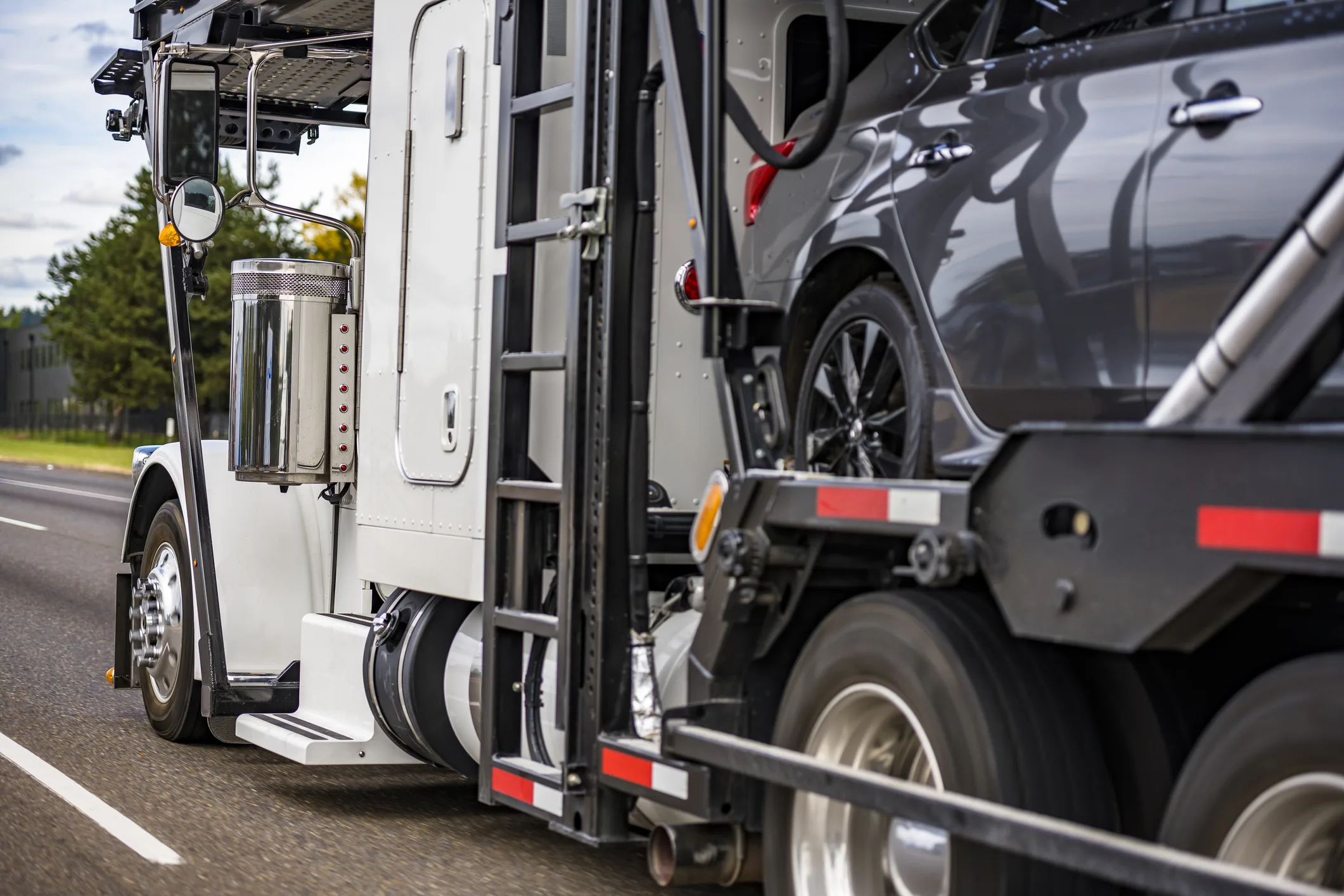
Document Your Car’s Condition
Photograph your vehicle from multiple angles, including the interior. Note any scratches, dents or imperfections. Detailed documentation ensures you have proof of your car’s condition before shipping, helping protect you in case of damage during transport.
Check Basic Mechanical Condition
Make sure your car is in excellent working order. Inspect the battery, tires and tire pressure, brakes, check for leaks and the battery condition; check the emergency brake and make sure it engages fully and holds the vehicle in place. If the vehicle is non-operational, we can still transport it, but it may require special equipment, such as a winch-equipped flatbed trailer or specialized tow truck, which can add to the cost of transport.
Adjust Your Fuel Level
Keep the fuel tank around a quarter full. A full tank adds unnecessary weight and increases shipping costs, while an empty tank may prevent safe loading onto the carrier.
Disable Alarms and Toll Devices
Turn off car alarms and remove electronic toll devices or parking passes. This prevents accidental triggers or unexpected charges during transport.
Prepare Keys and Paperwork
Gather all the necessary documents, including registration, insurance, and any special instructions for the carrier. Provide both sets of keys if required for pickup and delivery, ensuring the driver can handle your vehicle without complications.

Any Question?
What documents are required for shipping your car?
You will typically need the vehicle title or registration, proof of insurance, and any special instructions for the carrier.
Can the type of vehicle affect car shipping charges?
Yes. Larger vehicles such as SUVs, trucks, and vans generally cost more to transport because they take up more space on the carrier and add extra weight.
Can I ship personal items with my car?
Yes. 100 lbs of extra space is allotted in the truck, without any additional charges. However, if the personal items you wish to ship exceed 100 lbs, speak to one of our representatives to determine how it might impact the price of the shipment.
Do I need to be present at pickup?
Yes, you or a trusted representative should be present at pickup to hand over the keys and complete the vehicle inspection with the driver before transport begins.