Long-haul auto transport drivers are the backbone of American logistics. But while cars, trucks and heavy vehicles move safely from one destination to another, drivers often sacrifice their own health in the process. The long hours, sedentary work, unpredictable schedules and limited access to nutritious meals create a perfect storm of health risks. Based on several research studies of more than 500 long-haul drivers, health challenges in trucking are widespread and worsening. The data shows that 42% of drivers report hypertension, 22% struggle with obesity and 13% experience insomnia, while trucking remains the U.S. occupation with the highest rates of obesity and diabetes. Although 19% of drivers list physical health as a top concern, 29% say financial stress comes first.
This expanded guide explains exactly how driving affects your health and offers practical, realistic strategies that work in a driver’s real life, not just on paper.
The Impact of Long-Distance Driving on Health
Sitting, weather protection and control over a powerful vehicle may make long-distance driving seem like a comfortable job. But the physical demands are surprisingly intense. Sitting for long stretches reduces lower-body circulation and encourages muscle imbalances. Many drivers experience tight hip flexors, stiff necks and shoulders and persistent lower-back pain due to limited movement throughout the day.
Research shows that sitting for more than eight hours per day dramatically increases the risk of cardiovascular disease and early mortality. Drivers routinely sit for ten or eleven hours at a time, which compounds these risks. Over time, these long periods of physical inactivity can weaken the core muscles, reduce metabolic function and increase inflammation, all of which can become a reason for chronic pain and long-term health problems.
Cardiovascular issues are especially common among truck drivers. Studies reveal elevated rates of obesity, hypertension, and type 2 diabetes in this profession. All three conditions are connected with inactivity and inconsistent daily routines. Without regular movement, the body struggles to process glucose efficiently, which leads to insulin resistance and increased diabetes risk. Meanwhile, chronic sitting puts pressure on the heart and circulatory system, increasing blood pressure and reducing vascular elasticity.
Government Regulations for Driving Time and Mandatory Breaks
The Federal Motor Carrier Safety Administration (FMCSA) knows these risks; therefore, the Hours-of-Service (HOS) regulations exist. The rules limit how long drivers can operate their vehicle, not just to reduce crash risk but also to protect drivers from pushing their bodies beyond safe limits.
Under HOS regulations, drivers can drive for a maximum of 11 hours within a 14-hour on-duty window and must take a 30-minute break after eight hours of driving. They must also adhere to weekly hour limits depending on their schedule. Sometimes, these rules seem to be restrictive; however, they are deeply grounded in research about human sleep cycles and fatigue-related performance decline. These time limits matter since fatigue isn’t just “feeling tired.” It affects reflexes, judgment and emotional control. When a driver has been awake too long, reaction times slow dramatically, focus narrows, and the brain struggles to process visual and auditory cues. Fatigue is a major cause of commercial vehicle crashes and enforcing rest periods significantly reduces these risks.
This is why managing the rest is one of the most important health strategies for long-haul drivers. Consistent sleep schedules, even on the road, help the body keep a stable circadian rhythm. Using breaks to briefly walk, stretch, hydrate or simply relax outside the cab can dramatically improve alertness. Avoiding caffeine late in the day and creating a quiet, dark sleeping space in the truck can also improve sleep quality. When rest becomes a priority, everything from mood to reaction time improves.
Why Driver Obesity and Sedentary Work Go Hand in Hand
Obesity is one of the most widespread health concerns in the trucking industry. National surveys show that nearly 69 percent of long-haul drivers are classified as obese, a rate far higher than among other U.S. workers. This is not because drivers lack discipline. Instead, it’s a natural consequence of the work environment. The schedule itself disrupts healthy habits. When your workday is dictated by delivery windows, traffic, delays and tight timelines, it becomes too hard to maintain regular meal times, consistent exercise routines or restorative sleep. As practice shows, long workdays often lead to late-night meals, which the body processes harder. Drivers frequently rely on fast, calorie-dense foods because they are the most available. Over time, these patterns increase weight gain, fatigue and metabolic problems.
The sedentary nature of the job magnifies these issues. Movement continues to be one of the body’s main tools for balancing hormones, burning calories and maintaining muscle strength. Without frequent activity, the metabolism slows and the body stores more fat, especially around the abdomen, which increases the risk of being linked to a higher risk of heart disease and diabetes.
How Eating Habits Affect Carriers on the Road
Nutrition is one of the biggest hurdles for long-haul drivers because the options on the road are limited. Most rest stops and travel centers are filled with fast food, processed snacks, oversized beverages and high-calorie meals that can easily reach 1,000 calories per sitting. When you are tired, hungry and pressed for time, these quick options become the default, creating what many drivers call the “fast food trap.”
Instead of aiming for strict diets, which rarely survive the unpredictable nature of trucking, drivers fare better with flexible and realistic strategies. Calorie awareness is far more sustainable than calorie restriction. Simply recognizing how much you’re eating and understanding portion sizes helps prevent overeating without requiring extreme dieting. Drivers can quickly estimate calorie intake, track their meals and make more informed choices. Keeping simple, portable snacks in the truck, like fruits, nuts, yogurt cups, protein bars or pre-portioned items, helps avoid the temptation of high-calorie convenience foods. Even small shifts add up: giving your preference to grilled sandwiches instead of fried ones, replacing soda with water or eating a lighter meal before driving can stabilize energy levels and help manage weight.
Exercise Solutions for Drivers with Limited Mobility
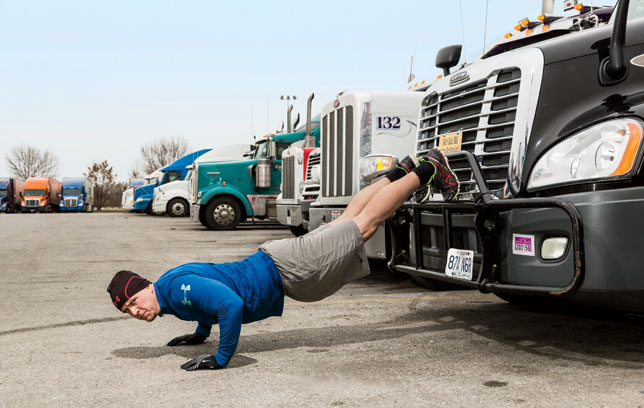
Staying active on the road doesn’t require a gym. In fact, you can perform some of the most effective exercises right beside the truck. A few minutes of stretching during fueling or rest breaks relieves stiffness and boosts circulation. Shoulder rolls, gentle neck stretches, hip flexor stretches, hamstring stretches and bodyweight squats all help counteract hours of sitting. Drivers who incorporate short bursts of movement throughout the day feel more alert, more flexible and less sore. Cardio can also be simple. For example, you can walk around the parking area or rest stop for ten or fifteen minutes, do light step-ups on the truck step or perform brisk marching in place, which can raise your heart rate and improve cardiovascular health. These short activities reduce the risk of blood clots, support weight control and elevate mood.
Core and back exercises are especially important for preventing pain. Movements such as planks, seated leg lifts, trunk rotations, or glute bridges can help strengthen the muscles that support the spine. Because driving requires holding one position for long periods, a strong core helps reduce strain on the back and improves posture behind the wheel. Consistent, small efforts make a powerful difference, even if it’s just ten minutes here and ten minutes there.
A Health Plan for Transport Carriers
Long-distance driving will always come with challenges, but staying healthy on the road doesn’t have to feel like an uphill battle. When drivers build small, realistic habits into their routine (stretching during fuel stops, choosing smarter meals without strict dieting, taking breaks that actually allow the mind and body to reset and respecting FMCSA rest rules), the difference is huge. As practice shows, healthy drivers feel better, stress less and head home with more energy for life outside the cab. At the end of the day, taking care of yourself isn’t just good for your job; it makes every mile on the highway a little smoother and a lot more rewarding.